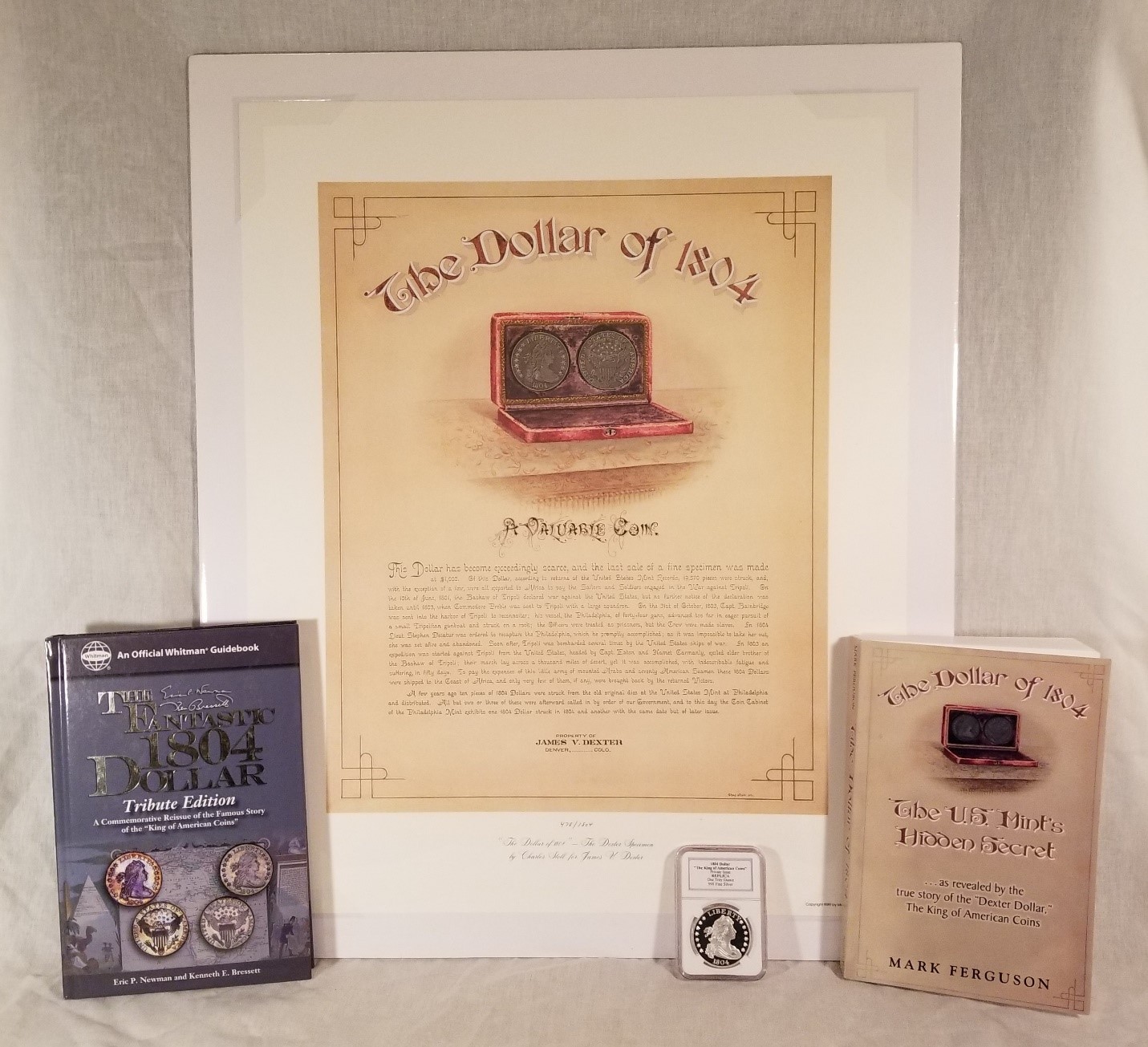
The Dexter 1804 Dollar
“The King of American Coins”
Featuring: The Dexter Dollar Collection of Historic and Important
Numismatic Literature and Works of Art
By Mark Ferguson, Professional Numismatist
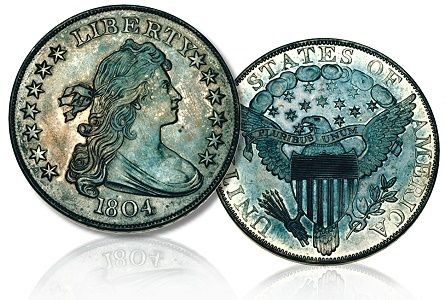
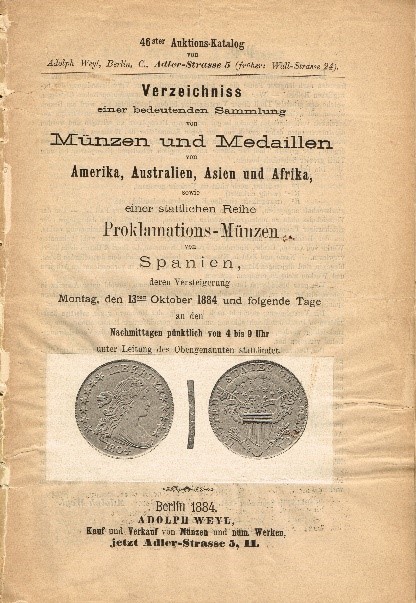
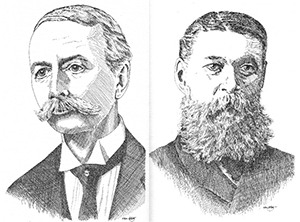
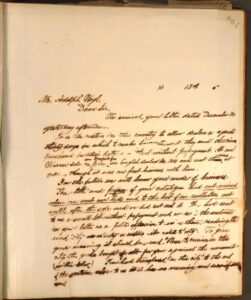
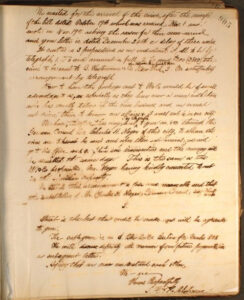
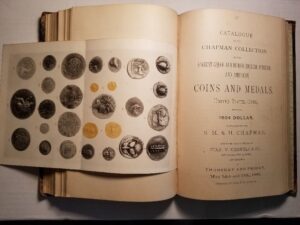
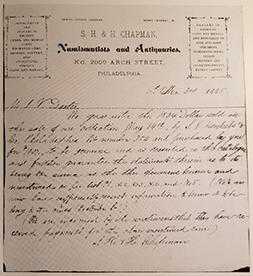
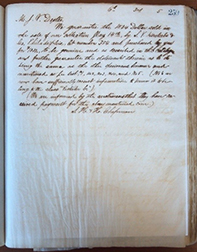
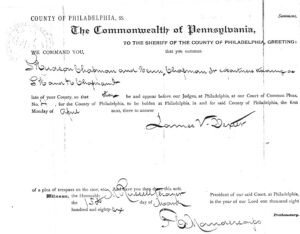 Acting on false advice, J.V. Dexter hired Philadelphia attorney Thomas DeWitt Cuyler, who filed suit against S.H. and H. Chapman on March 15, 1886, claiming fraud and deception. The suit asked for damages in the amount of $5,000.
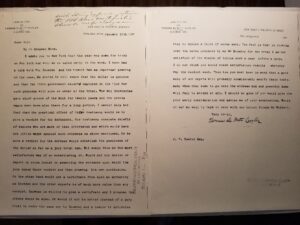 In a January 15th, 1887 letter to Dexter, Attorney Cuyler wrote:
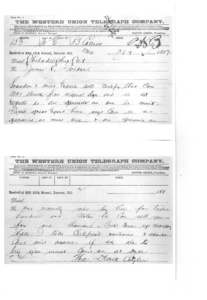 With the trial just days away, Attorney Cuyler telegrammed Dexter on February 9, 1887. He was looking for a decision, “Snowden & mint Experts will certify that coin was struck from original dye [sic] and in all respects is as genuine as one in mint. Davis, great Expert here says Coin is a genuine as mint one & as genuine as one recently sold by him for twelve hundred and states he can sell yours for one thousand. Trial comes up Monday. Shall I take Certificate mentioned & abandon Case [?] wire answer if we are to try you must Come on at once.
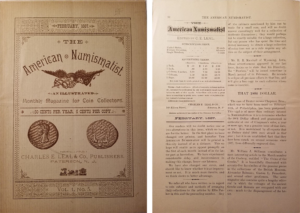 A short article, entitled “That 1804 Dollar,” published in the February 1887 issue of The American Numismatist, edited by Charles E. Leal, summed up what the numismatic world knew of the lawsuit: “The case of Dexter versus Chapman Bros., which was to have been tried on February 14th, at Philadelphia, has been postponed. This trial is of more than ordinary interest to Numismatists as it is to determine whether the 1804 Dollar offered and guaranteed as authentic at one of Chapman’s sales, a year or more ago, was a genuine issue of that date, or not. It is maintained by all experts that no Dollars dated 1804 were struck in that year; but it is an established fact that they have been struck on several occasions since 1827, from differently engraved dies.”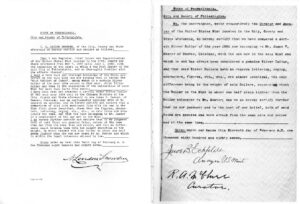
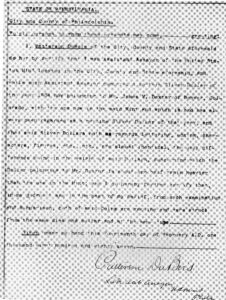
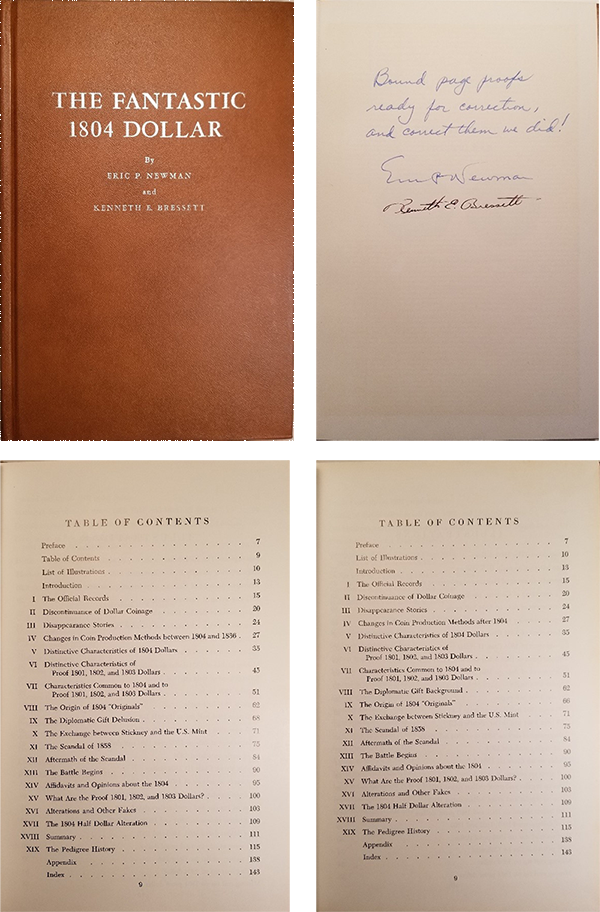
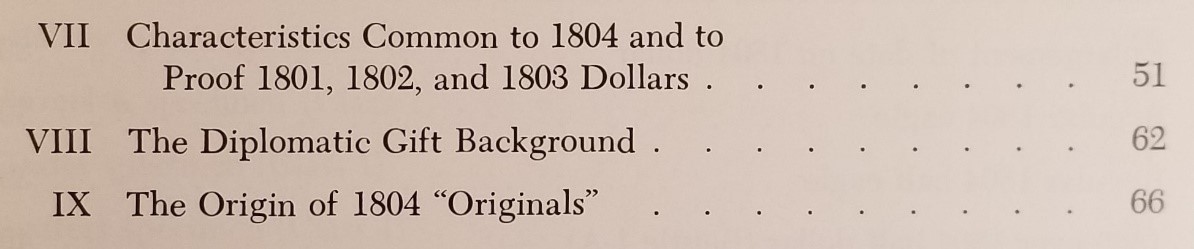
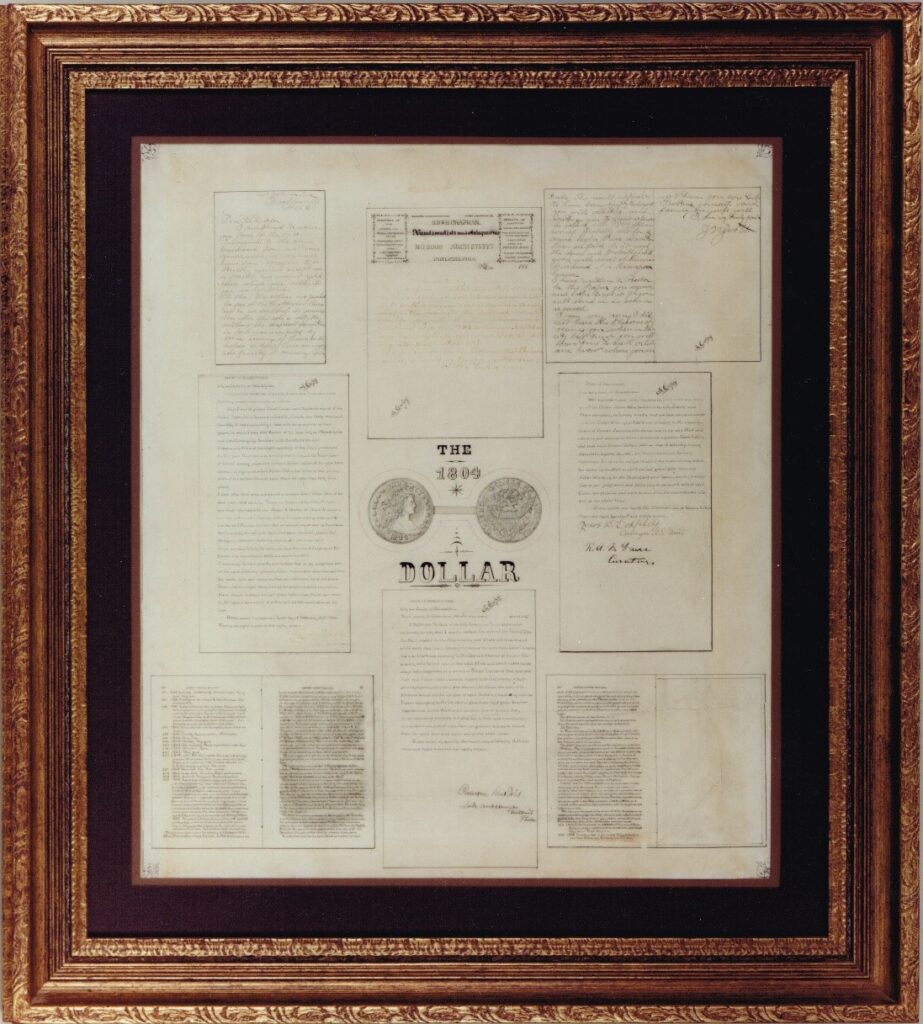 The documents replicated in this work:
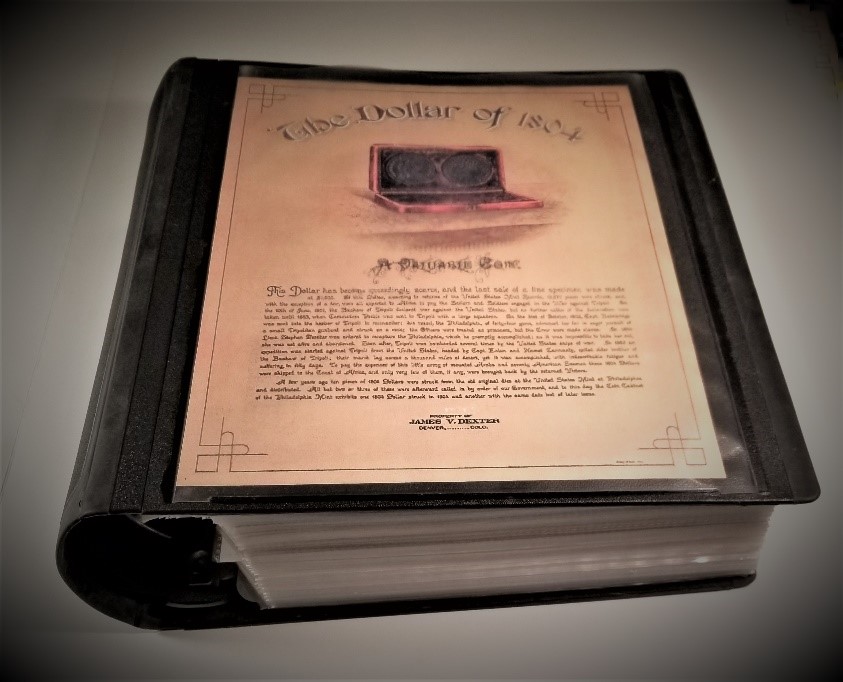
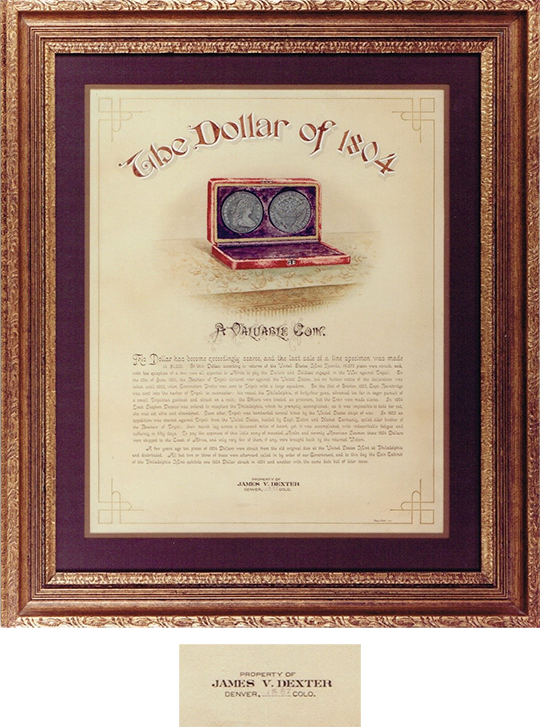 After his 1804 dollar was returned to him and he had received its Certificates of Genuineness from the U.S. Mint officials, James V. Dexter wanted to celebrate his treasure. He collected fine art and commissioned a beautiful work of art to showcase his dollar.
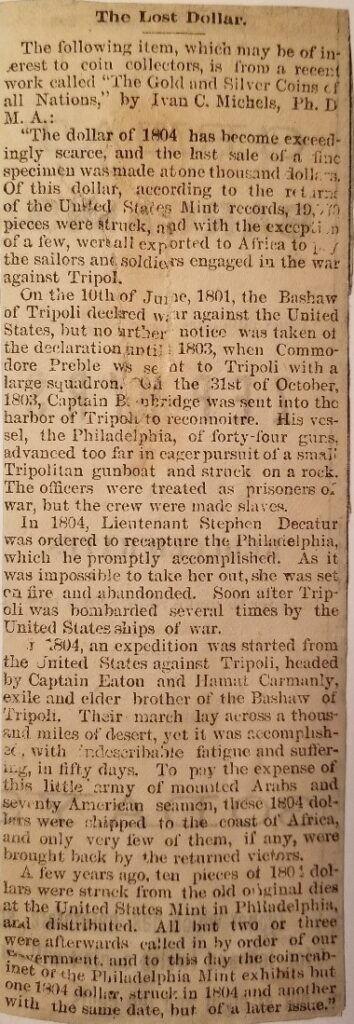 The story was clipped from a newspaper article published in THE BEE in Washington, D.C. entitled, “The Lost Dollar.” The story states:
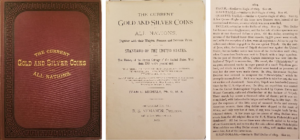 In Chapter II, Michaels states, “In giving the history of the United States, special attention has been paid to the official records of the U.S. Mint and the matchless collection in the coin cabinet of that institution. At the same time, I have to acknowledge, with gratitude, the highly valuable assistance received from Messrs. W.P. Kirk and R.A. McClure, gentlemen in charge of the U.S. Coin Cabinet in Philadelphia, Pa.”
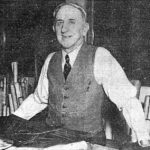 The artist was Charles Stoll, a Denver artist, draftsman and lithographer who was also proficient at “engrossing” or ornamental lettering. With the precision of a draftsman, Stoll created fine lines, ornate lettering and an accurate reproduction of the dollar in the composition.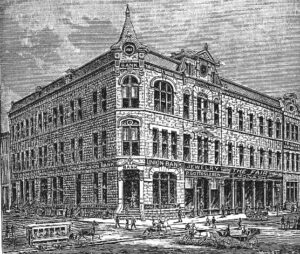
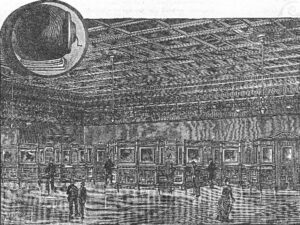
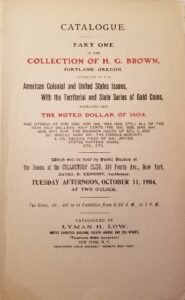 H.G. Brown owned a gambling house in Spokane, Washington, but “Doc” Brown, as he was known, moved to Portland, Oregon in 1903, because legislation was passed in Washington making gambling a felony. In Oregon, he opened a resort on the coast.
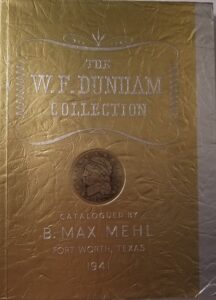 From the Foreword of B. Max Mehl’s June 3, 1941 auction catalog of The W.F. Dunham Collection: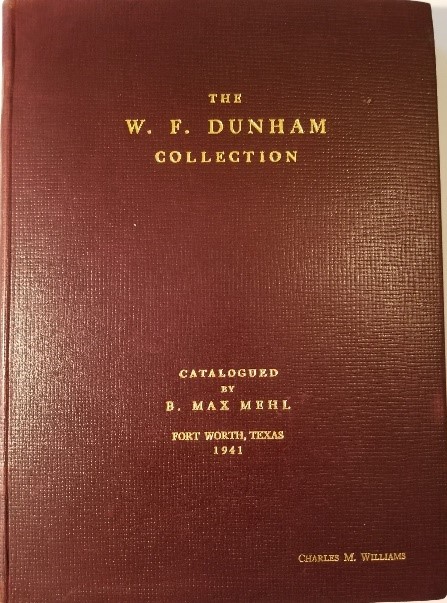
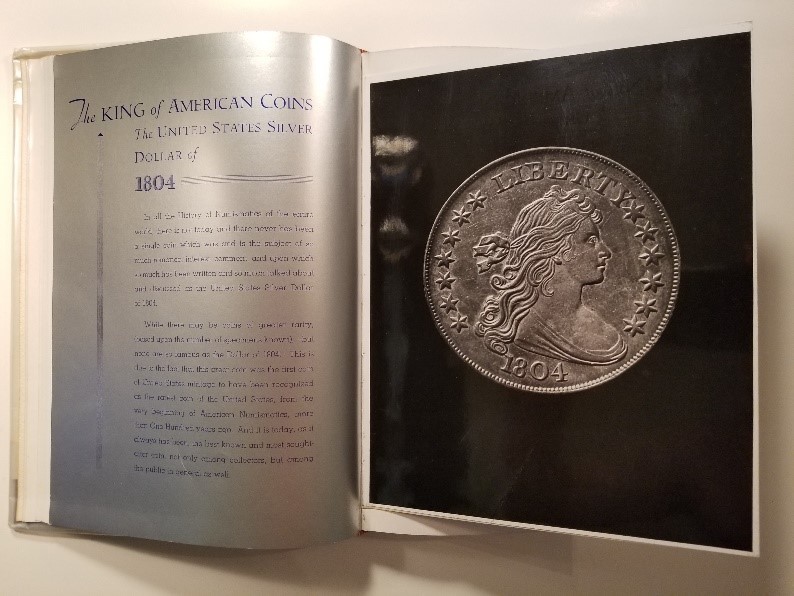
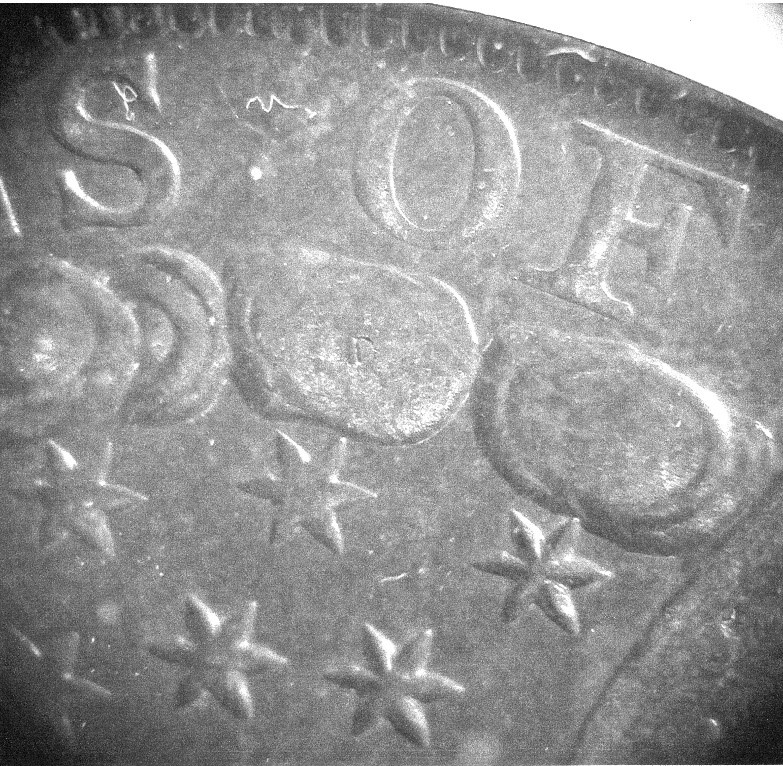
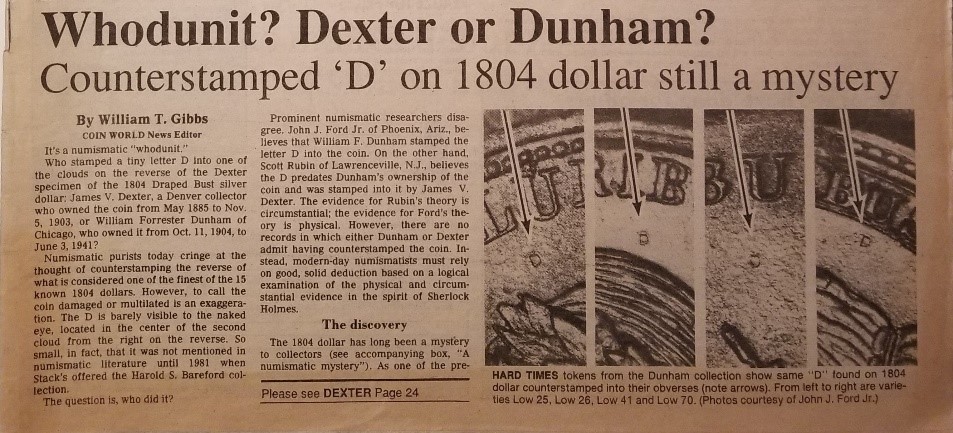
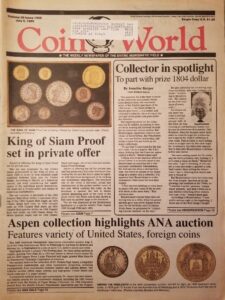
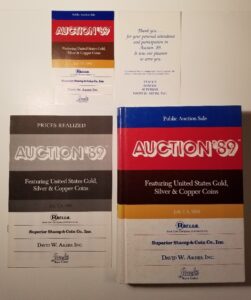
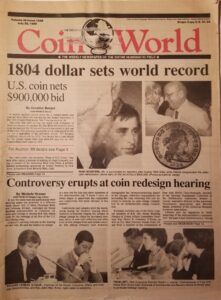
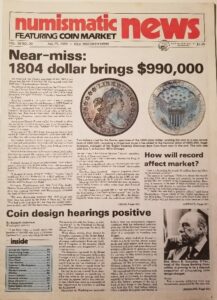
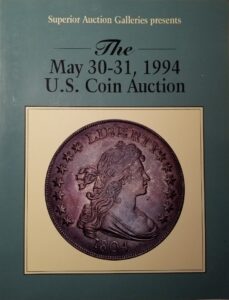 The dollar appeared again in the May 30-31, 1994 Superior Auction Galleries sale, where the catalog stated, “Per request of our consignor, bidding will commence at $575,000.” Once again, it failed to sell.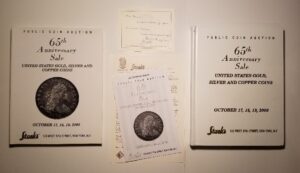
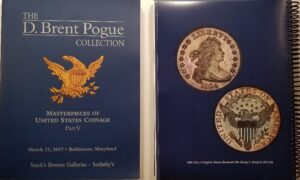 For reasons that are personal, the Pogue family shocked the numismatic world by deciding to sell their collection. Stack’s Bowers Galleries conducted the sale with multiple auction sessions between 2015 and 2020 in cooperation with Sotheby’s.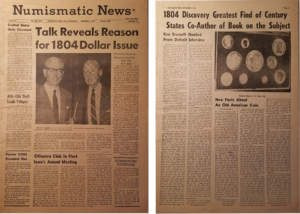
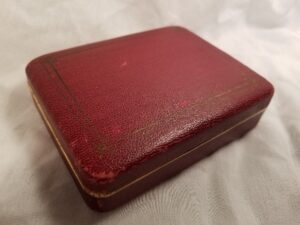
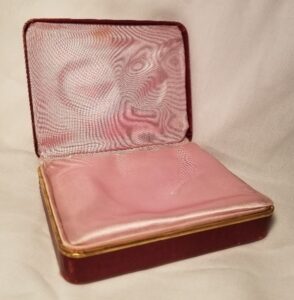
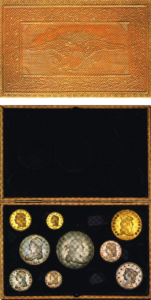 Spink described the case as such, “This case is beautifully made and stamped on the cover with an American Eagle. It is rather a dark golden yellow – a point I will ask you to remember because it is an important one – and the case is held closed by a fluted gold thumb piece.